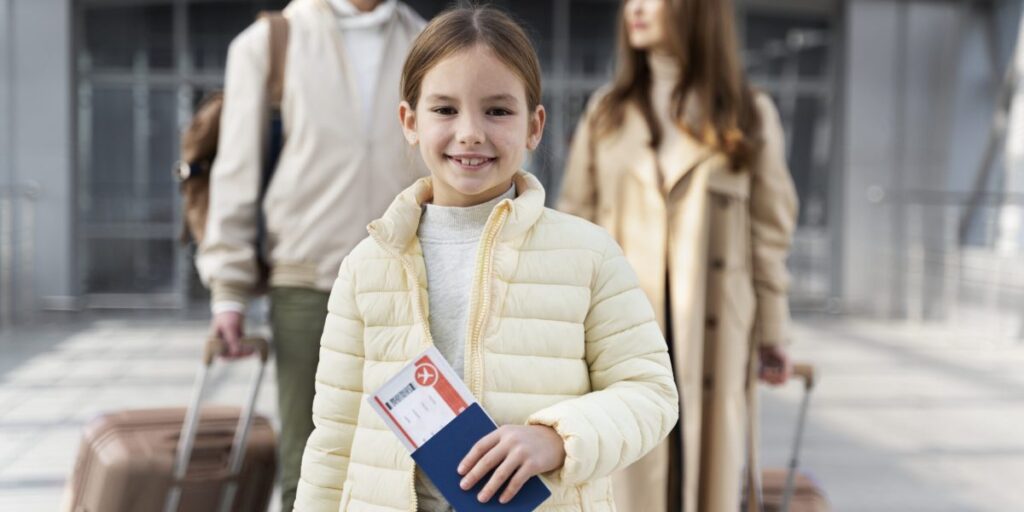
The Australian Child Visa allows eligible children to live permanently in Australia with their Australian citizen, permanent resident, or eligible New Zealand citizen parent. It is designed to help families reunite and provide children with the opportunity to live, study and build their future in Australia.
Depending on the child’s circumstances, different child and family visa options may be available. Applicants must meet the relevant eligibility, sponsorship, health and character requirements and provide the required supporting documents.
The application process can involve detailed documentation and specific requirements. At Shanovia, we assist parents and families in understanding the applicable visa requirements, preparing their documentation and navigating the application process.
Benefits of Child Visa Australia
A Child Visa can provide eligible children with the opportunity to live permanently in Australia with their parent. Child visas are part of Australia’s Family Migration Program and are designed to support family reunification.
Some potential benefits include:
- Permanent residence: Eligible Child Visa holders can live permanently in Australia.
- Family reunification: The visa allows eligible children to join their parent in Australia.
- Education opportunities: Children living in Australia can access education according to the applicable rules and arrangements.
- Healthcare access: Eligible permanent residents may have access to Medicare, subject to the applicable eligibility requirements.
- Future opportunities: Permanent residence can provide children with opportunities to study, work and establish their future in Australia.
- Pathway to citizenship: Eligible permanent residents may later be able to apply for Australian citizenship if they meet the citizenship requirements.
At Shanovia, we help families understand the visa requirements and prepare their applications carefully to minimise avoidable errors and delays.
Types of Child Visas
Australia provides several visa options for children depending on their relationship with the parent, location and individual circumstances. The main child-related visa categories include Child Visa Subclass 101, Adoption Visa Subclass 102, Child Visa Subclass 802 and Dependent Child Visa Subclass 445.
Child Visa Subclass 101
The Child Visa Subclass 101 allows an eligible child who is outside Australia to migrate to Australia and live with their parent. The parent must generally be an Australian citizen, eligible New Zealand citizen or Australian permanent visa holder.
This is a permanent visa that can allow the child to live in Australia with their parent.
Adoption Visa Subclass 102
The Adoption Visa Subclass 102 is for eligible children who have been adopted, or are in the process of being adopted, outside Australia by an Australian citizen, eligible New Zealand citizen or Australian permanent resident.
Adoption visa applications have specific requirements, including requirements relating to the adoption process and parental relationship.
Child Visa Subclass 802
The Child Visa Subclass 802 is for eligible children who are in Australia and want to remain in Australia permanently with their parent.
Applicants must satisfy the relevant requirements for the visa, including requirements concerning their relationship with the sponsoring parent and their dependency or age circumstances.
Dependent Child Visa Subclass 445
The Dependent Child Visa Subclass 445 is a temporary visa for an eligible dependent child of a parent who holds a temporary or provisional Partner visa while the parent’s permanent Partner visa application is being processed.
A subclass 445 holder may later need to take further steps to obtain a permanent visa as part of the parent’s permanent Partner visa process.
Each visa category has different eligibility criteria and application requirements. Shanovia can help you understand which option may be suitable for your family’s circumstances.
Child Visa Australia Requirements
The requirements for an Australian Child Visa depend on the visa subclass and the child’s individual circumstances. Subclass 101 is generally for children outside Australia, while Subclass 802 is for children in Australia.
General Eligibility Criteria
Depending on the visa subclass, the child may need to:
- Be the biological, adopted or eligible stepchild of the sponsoring parent.
- Have a parent who is an Australian citizen, Australian permanent resident or eligible New Zealand citizen.
- Meet the applicable age and dependency requirements.
- Meet the relevant relationship requirements.
- Meet health requirements.
- Meet character requirements where applicable.
For example, the official Child Visa application information states that a child aged 18 or over generally needs to be under 25 and a full-time student, unless they have a disability that prevents them from working.
The exact requirements can vary depending on the child’s age, relationship with the parent, location and circumstances.
Sponsorship Requirements
The sponsoring parent generally needs to be an Australian citizen, Australian permanent resident or eligible New Zealand citizen.
The sponsor may also have responsibilities relating to the child after the visa is granted. The exact sponsorship requirements depend on the particular visa subclass.
At Shanovia, we can help assess the sponsorship circumstances and identify the documents required to support the application.
Health and Character Requirements
Applicants may need to meet Australia’s health requirements. Depending on the circumstances, the Department of Home Affairs may request health examinations or additional information.
Character requirements may also apply. For example, applicants aged 16 or older may need to satisfy relevant character requirements.
It is important to provide accurate information and complete any requested examinations or checks within the specified timeframe.
Document Checklist for Child Visa Application
The exact documents required depend on the visa subclass and individual circumstances. Common supporting documents may include:
- Identity documents: Passport, birth certificate and other identity documents.
- Relationship evidence: Birth certificates or other documents establishing the child’s relationship with the parent.
- Parent’s status documents: Evidence of the parent’s Australian citizenship, permanent residence or eligible New Zealand citizenship.
- Dependency evidence: Documents demonstrating financial dependency where required.
- Parental responsibility documents: Court orders, adoption documents or other relevant legal documents where applicable.
- Health and character documents: Any documents requested by the Department of Home Affairs.
- Additional supporting evidence: Any other documents requested based on the child’s circumstances.
Providing complete, accurate and readable documents can help avoid unnecessary delays in processing.
Child Visa Australia Processing Time
Child visa processing times can vary depending on the visa subclass, the completeness of the application, the complexity of the case and the Department of Home Affairs’ workload.
The Department states that processing times vary according to individual circumstances, and some family visa applications may receive priority in limited circumstances.
Subclass 445
The processing time for a Dependent Child Visa can vary depending on the circumstances of the application and the associated Partner visa process. Applicants should check the latest processing information provided by the Department of Home Affairs rather than relying on a fixed processing period.
Subclasses 101 and 802
Processing times for Child Visa applications can change over time. The Department assesses applications according to individual circumstances, application completeness and other relevant factors.
Missing documents, requests for additional information, health examinations or other checks may affect the time required to finalise an application.
Shanovia can help applicants understand the documentation requirements and respond to requests for additional information during the application process.
Step-by-Step Application Process for Child Visa Australia
The application process depends on the visa subclass and the child’s circumstances. A typical process may include the following steps:
1. Assess Eligibility
The first step is to determine which child visa is appropriate based on the child’s age, location, relationship with the parent and the parent’s Australian status.
2. Prepare Required Documents
Collect the child’s identity documents, evidence of the parent-child relationship, sponsor documents and any other supporting evidence required for the relevant visa subclass.
3. Complete the Application
Complete the relevant visa application and provide accurate information. Some child visa applications have specific forms and documentation requirements.
4. Submit the Application
Submit the application through the appropriate channel specified by the Department of Home Affairs. The Department currently provides online processes for managing applications and supporting documents in relevant circumstances.
5. Complete Health or Character Requirements
If requested, the applicant must complete the required health examinations or provide character-related documents within the specified timeframe.
6. Respond to Department Requests
The Department may request additional documents or information during processing. Applicants should respond within the timeframe provided.
7. Wait for the Visa Decision
Once the application and required checks have been completed, the Department will assess the application and make a decision.
Shanovia can assist you throughout the application process and help you understand what is required at each stage.
Why Choose Shanovia for Your Child Visa Application?
Applying for a child visa can involve detailed eligibility requirements and extensive documentation. Shanovia provides guidance to help families understand the process and prepare their applications properly.
Expert Guidance at Every Step
Our team can help you understand the relevant child visa requirements and guide you through the application process based on your circumstances.
Document Preparation Support
We help you identify and organise the documents required for your application and ensure that the supporting evidence is presented clearly.
Careful Application Preparation
Accurate information is essential when submitting a visa application. We assist with reviewing the application and supporting documents to help minimise avoidable errors.
Communication and Follow-Up Support
If the Department of Home Affairs requests additional information or documents, we can guide you on the appropriate response and next steps.
Support for Parents and Families
From the initial eligibility assessment to document preparation and application follow-up, Shanovia aims to make the child visa process easier to understand and manage.
Conclusion
The Australian Child Visa can provide eligible children with an opportunity to live permanently in Australia with their parent and reunite with their family. Australia offers several child-related visa options, including Subclass 101, Subclass 102, Subclass 802 and Subclass 445, depending on the family’s circumstances.
Because eligibility and documentation requirements can vary between visa subclasses, it is important to understand the applicable requirements before submitting an application.
Shanovia can assist you with understanding the child visa process, preparing supporting documents and navigating the application journey.
If you are planning to bring your child to Australia, contact Shanovia for professional guidance and support with your visa application.